
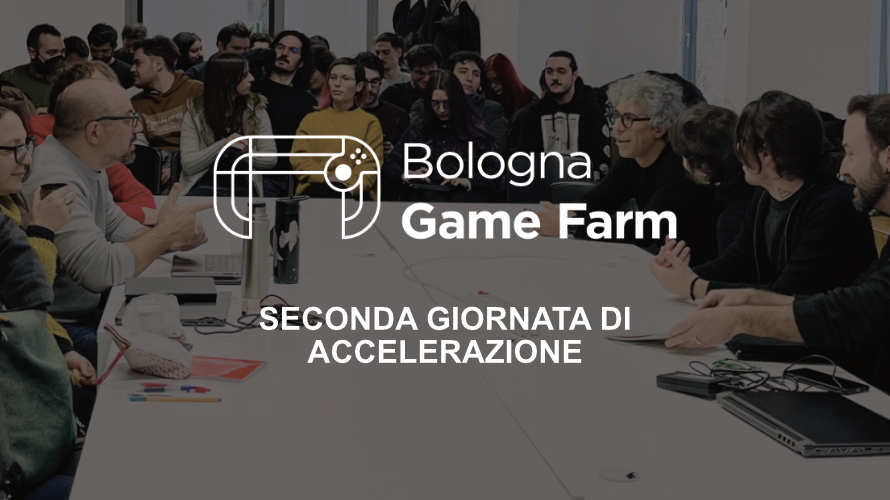
The morning began with a series of talks dedicated to publishing and self-publishing.
Slitherine Software: publishing strategies
Marco Minoli, head of publishing for Slitherine Software, began by sharing the company’s vision, which focuses on creating and publishing strategy video games.
In this sector, they have selected from very specific areas: their internal IPs, those of third parties (discussed on brands appealing to their target audience such as Starship Troopers and Warhammer 40K) and finally wargames.
Wargames are extremely complex strategy games that attempt to faithfully reproduce the tactical aspect of war scenarios. They are a small niche market, but they are rarely chaired by video game developers, making them attractive. Given their complexity, these wargames can then be transformed into professional software for military use. The market for applied games (i.e. video games that can be used in a professional context) is undergoing great development.
In the second part of his speech, Minoli delved into the modern video game market, recounting its most recent transformations. In fact, the video game market is currently in a complex situation.
The market is saturated and it is increasingly difficult to find your audience, but there are also positive aspects. In fact, there are also barriers to entry, publishing a game on Steam is easier than ever. Today, a well-made indie product can directly compete with a triple A, and the same goes for a double AA. Niches in this can help but you have to know your audience well, and often the easiest way is to be part of it.
Bad Vices: how to self-publish today
Cristian Gambadori and Eleonora Vecchi of Bad Vices then spoke about their experience in self-publishing.
Their strategy is based on producing games that are small, quick to make, and inexpensive (both to develop and as a purchase price).
Before making a game they do a lot of research on Steam users’ favorite genres.
When you have chosen the game you have to tell the public in the best way, clarity is essential, the customer must know perfectly what he is buying.
Finally the demo, which is very important, because that’s where the first wishlists come from. Thanks to the demo, it is clear whether the game needs to be scaled down or not.
Milestone: making B2C video games
Andrea Basilio, executive producer and creative director at Milestone. He described the philosophy of approaching IP-derived video games: What do you expect from a game that covers this topic?
An approach that applies to every video game where meeting audience expectations can make the difference between a good game and one forgotten by everyone.
In the afternoon the winning teams took stock of the situation with their tutors trying to understand the weaknesses and strengths of each project.
A day full of insights he certainly made reflects on the complexity of the video game market but above all on how important it is to think strategically about making a game from the very first moments.